🏷 Alpaca Sale Now On: 30% off all our listed alpacas
Hensting Alpacas has 30% off every listed BAS-registered alpaca for sale, plus our proven stud male Sparticus reduced from £3,000 to just £500. Ideal if you're starting or growing a herd.
Starting Your Alpaca Farm in the UK: Step-by-Step Guide
Starting an alpaca farm in the UK can be rewarding both personally and financially. This comprehensive guide covers everything you need to know about beginning your alpaca farming journey in 2026.
Step 1: Understand UK Regulations
Before buying alpacas, understand the legal requirements:
- CPH Number: Register your land with Rural Payments Agency (free)
- Movement License: Required for transporting alpacas
- TB Testing: Annual testing in some UK regions
- Insurance: Public liability recommended (£200-500/year)
- Planning Permission: Usually not needed for shelters under 465m²
Step 2: Prepare Your Land
Alpacas need less space than many assume:
- Stocking Density: 5-6 alpacas per acre on good grass
- Minimum Land: 0.5 acres for 3 alpacas
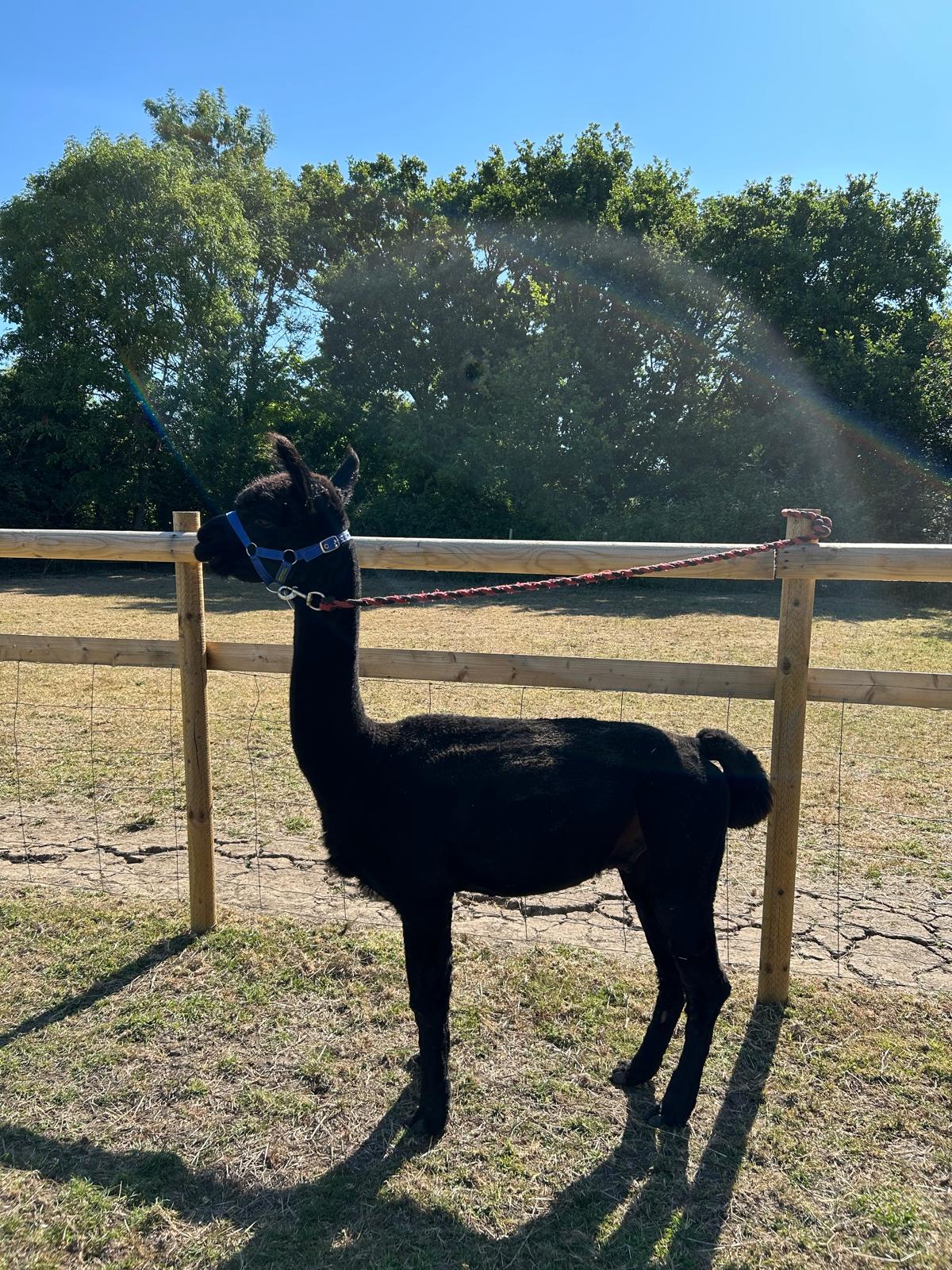
- Fencing: 4ft high stock fencing (not barbed wire)
- Shelter: 40 sq ft per alpaca, open-sided field shelter adequate
- Water: Automatic drinkers or daily fresh water
Step 3: Choose Your Farming Model
Decide your alpaca farming focus:
Breeding for Sale (Most Profitable)
- Investment: £10,000-30,000 initial
- Returns: £1,500-5,000 per offspring
- Timeline: 2-3 years to first sales
Fleece Production
- Investment: £2,000-5,000 for starter herd
- Returns: £50-200 per fleece annually
- Best with 10+ alpacas for commercial viability
Agritourism/Walking
- Investment: £5,000-15,000 plus insurance
- Returns: £20-50 per person per walk
- Requires public paths or suitable land access
Step 4: Buy Your First Alpacas
Start with the right animals:
- Minimum Number: 3 alpacas (they're herd animals)
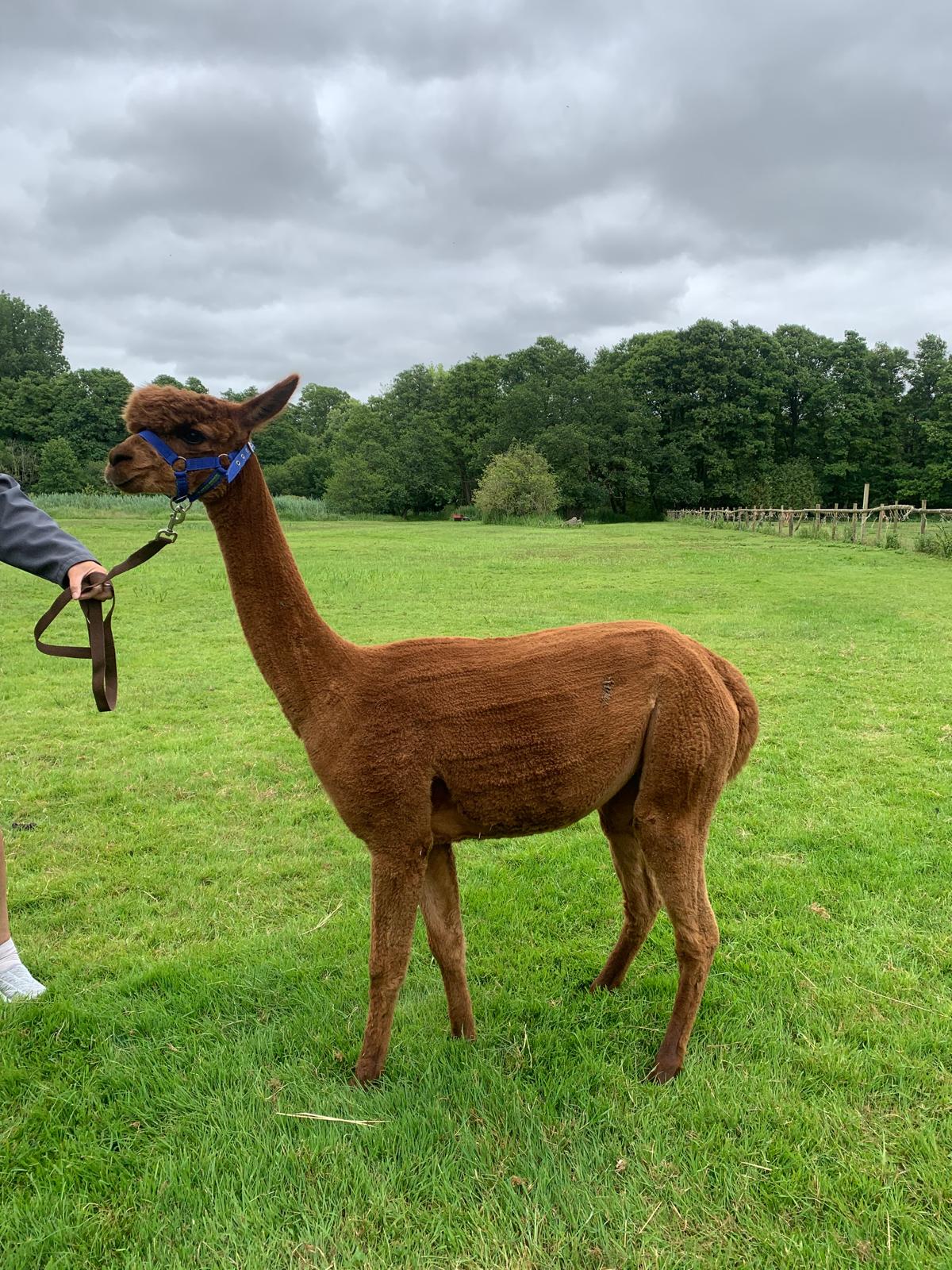
- Best Starter Option: 3-4 young females or wethers
- Budget: £1,500-5,000 for starter group
- What to Look For: BAS registered, halter trained, health checked
- Where to Buy: Reputable UK breeders with aftercare support
Step 5: Daily Care Requirements
Alpacas are relatively low maintenance:
- Daily: Visual health check, fresh water (10 minutes)
- Weekly: Pasture check, poo picking (30 minutes)
- Monthly: Body condition scoring, foot check
- Annually: Shearing (May/June), vaccinations, worming
Step 6: Financial Planning
Realistic first-year budget for 3 alpacas:
- Alpacas: £1,500-5,000
- Fencing: £1,000-2,000
- Shelter: £500-1,500
- Feed/Hay: £300-600
- Vet/Medicine: £200-400
- Shearing: £90-150
- Total: £3,590-9,650
How to Breed Alpacas: A Beginner’s Guide
Most people searching how to start an alpaca farm want to breed alpacas eventually. Breeding is where most beginner mistakes happen, so here are the basics we explain to every new owner.
Start with females, not a stud male
Most small UK breeders start with two or three pregnant females, or females with a cria at foot. They use an established stud male for mating, either by taking females to the stud or having a male visit. Keeping your own stud male early on means more land, extra fencing to keep him separate, and a higher risk of inbreeding as your herd grows.
The alpaca breeding cycle at a glance
| First mating (females) | Usually from around 18 months, once she has reached roughly two-thirds of adult body weight. Ask your breeder or vet. |
| Ovulation | Alpacas are induced ovulators. They have no heat cycle, so mating can be planned for most of the year. |
| Pregnancy check | A “spit-off” test about a week after mating (a pregnant female rejects the male). Confirm with a vet scan. |
| Gestation | Around 11–11.5 months. Almost always a single cria. |
| Timing births | UK breeders usually aim for late spring and summer births, when the weather is kinder to newborn cria. |
| Weaning | Typically around 6 months. See our cria care and weaning guide. |
Beginner breeding checklist
- Register a vet with camelid experience before your first birth
- Choose a stud for fleece quality and conformation, not just price, and check his pedigree against your females to avoid inbreeding
- Keep a herd register and register pedigree cria with the British Alpaca Society (BAS)
- Most alpaca births happen in daylight without help, but watch closely and know when to call the vet
- Keep up routine health care for mums and cria. See our worm treatment guide
Starting an Alpaca Farm on a Small Budget
You can’t start an alpaca farm with no money at all. The animals, fencing, shelter, feed and vet care all cost something (see the first-year budget above). But you can keep start-up costs down:
- Start with wethers (castrated males). They are the cheapest alpacas to buy and easy to keep, and they suit fleece, pets or walking. Move into breeding once you’re confident.
- Rent grazing instead of buying land. Three alpacas can manage on around half an acre of good grass.
- Use existing fencing and buildings. Upgrade to 4ft stock fencing where needed, and use an open-sided field shelter rather than a new building.
- Buy a small starter group from an established breeder. Ongoing advice from the breeder is worth more than a cheap one-off purchase. Browse alpacas for sale at Hensting and our UK alpaca prices guide.
- Get hands-on experience first. An alpaca walk or adopting an alpaca is a low-cost way to learn how alpacas behave before you buy.
At Hensting Alpacas we’ve bred BAS-registered alpacas in Hampshire’s Itchen Valley (SO30 3HQ) for over 16 years. If you’re planning your first herd, call us on 0333 050 4012.
Common Beginner Mistakes to Avoid
- Buying just one or two alpacas (they need companions)
- Overfeeding (leads to obesity)
- Using barbed wire fencing (damages fleece)
- Not checking for poisonous plants (ragwort, yew, rhododendron)
- Skipping annual shearing (causes heat stress)
Alpaca Farming FAQs for Beginners
How do you breed alpacas as a beginner?
Start with two or three pregnant females, or females with a cria at foot, and use an established stud male rather than keeping your own. Females are usually first mated from around 18 months. Pregnancy is checked with a spit-off test and a vet scan. Register a camelid-experienced vet before your first birth.
How long are alpacas pregnant?
Alpaca gestation is around 11 to 11.5 months, and they almost always have a single cria. UK breeders usually plan matings so that cria are born in late spring or summer.
How much land do alpacas need?
Around 5 to 6 alpacas per acre on good grass. A minimum of about half an acre works for 3 alpacas, with 4ft stock fencing and an open-sided field shelter.
Can you start an alpaca farm with no money?
Not with no money at all. Alpacas, fencing, shelter, feed and vet care all have costs. You can keep costs low by starting with wethers, renting grazing, reusing existing fencing and buying a small starter group from an established breeder.
How many alpacas should a beginner start with?
At least three. Alpacas are herd animals and become stressed if kept alone or in a pair, so never buy just one or two.
UK Resources for New Alpaca Farmers
- British Alpaca Society (BAS) - membership and courses
- Regional alpaca groups - networking and support
- Agricultural shows - see alpacas and meet breeders
- Camelid veterinary specialists - health support
Ready to start your alpaca farming journey? Book a farm visit to learn hands-on from experienced breeders, or explore our beginner-friendly starter packages.
Looking for Quality Alpacas?
Browse our selection of beautiful alpacas from champion bloodlines.
View Available Alpacas →