The Natural Colours of Alpaca Fleece
From snowy whites to deepest blacks, alpacas carry the widest natural palette of any fibre animal, over 22 recognised colours and 300+ shades. Below, meet real members of the Hensting herd in many of these colours.
Nature's Most Diverse Fibre Palette
Alpacas produce the widest range of natural colours of any fibre-producing animal. Unlike sheep, which are mostly white, alpacas span a spectrum that rivals any artist's palette. This natural diversity means alpaca fibre can be used without dyeing, making it eco-friendly and preserving the fibre's natural properties.
Colour is only half the story. To understand what actually makes a fleece valuable, see our companion guide: What Makes a Good Alpaca Fleece →
AOA Colour Classifications — Meet the Herd
The Alpaca Owners Association recognises 16 primary natural colours. Where you see a photo below, that's a real Hensting alpaca of that colour.
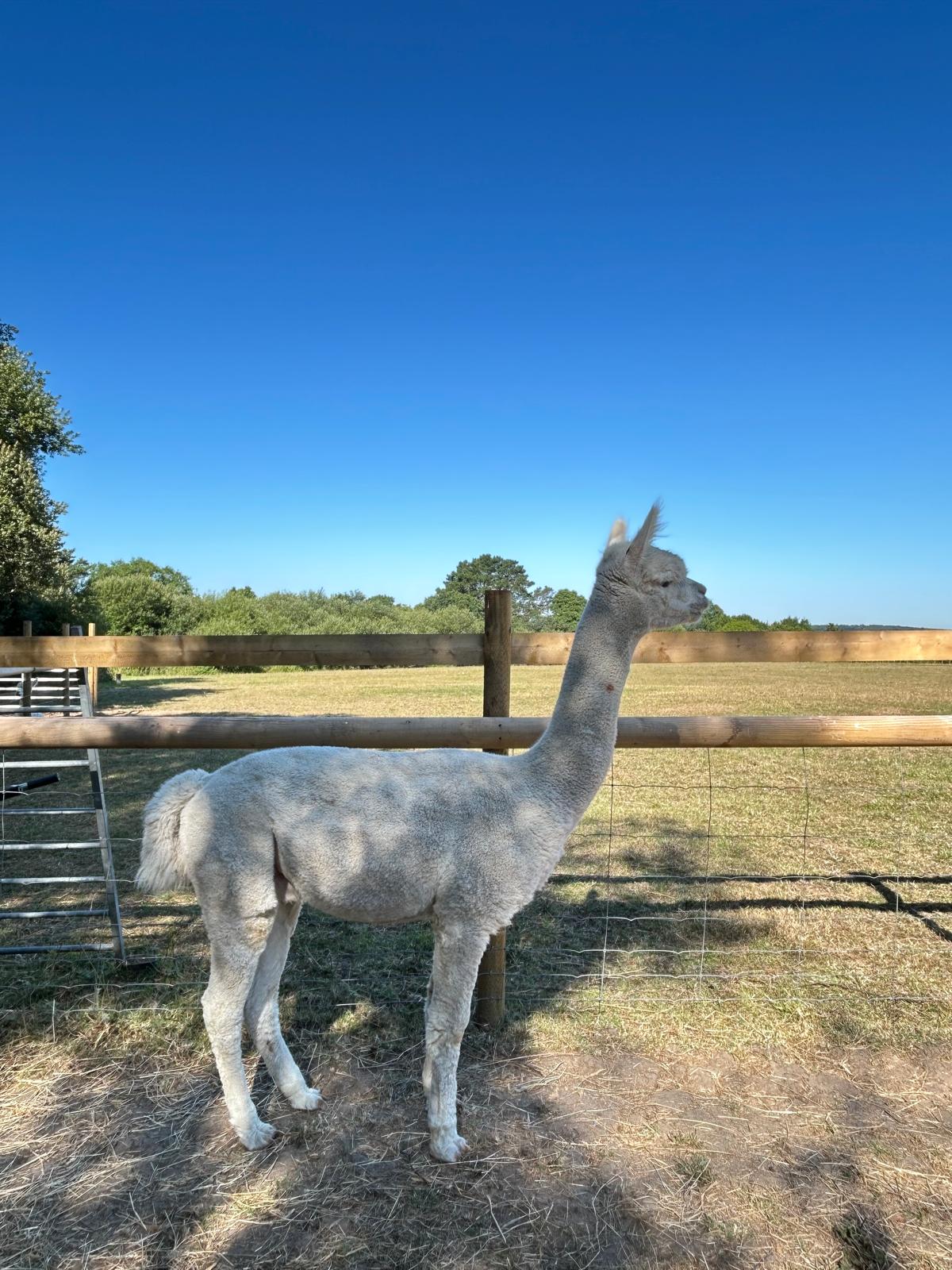
White
Pure, snowy fleece with brilliant lustre. The most versatile colour for dyeing and blending.
Beige
Creamy white with hints of caramel. Softer than pure white with natural warmth.
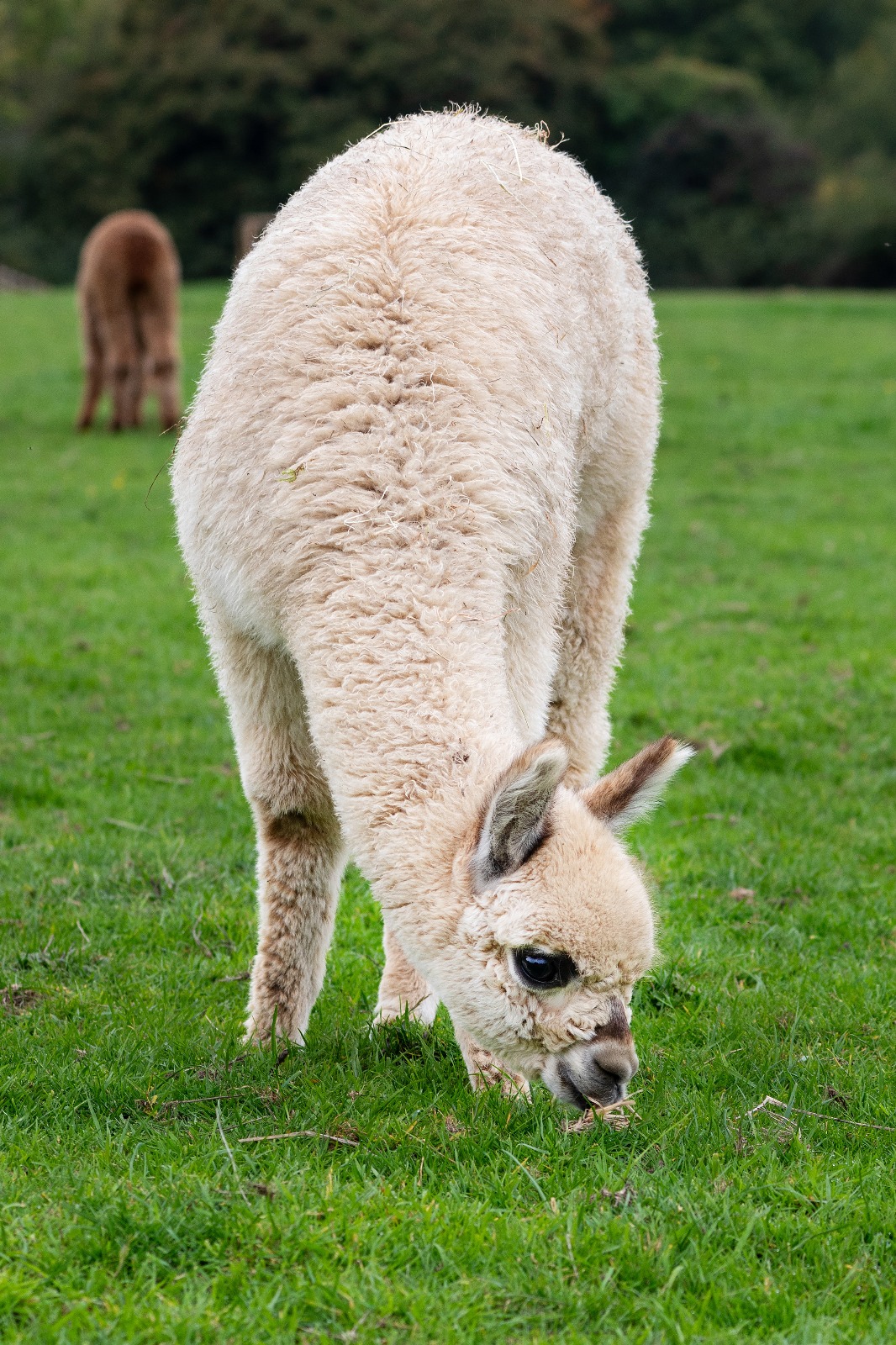
Light Fawn
Pale golden brown, like wheat fields in summer sunshine.
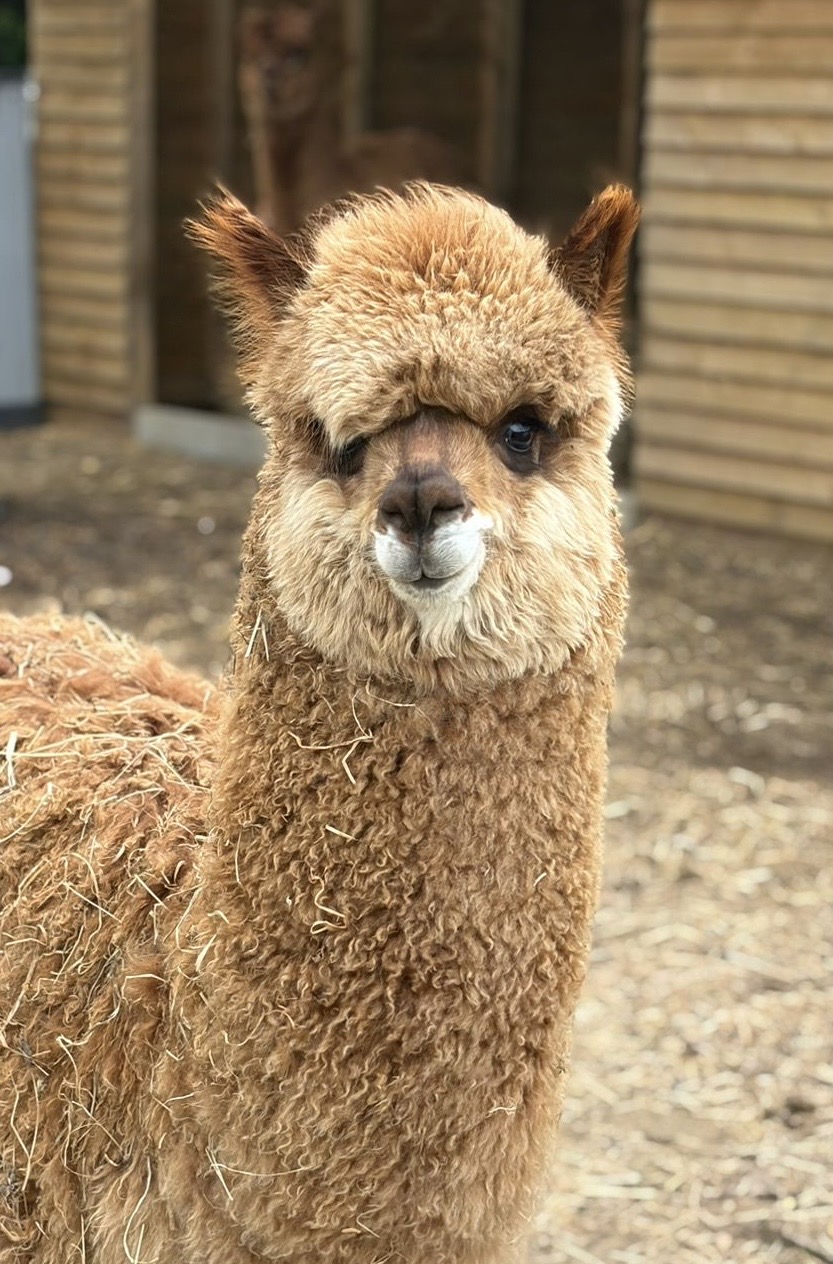
Medium Fawn
Rich caramel tones with golden highlights throughout.
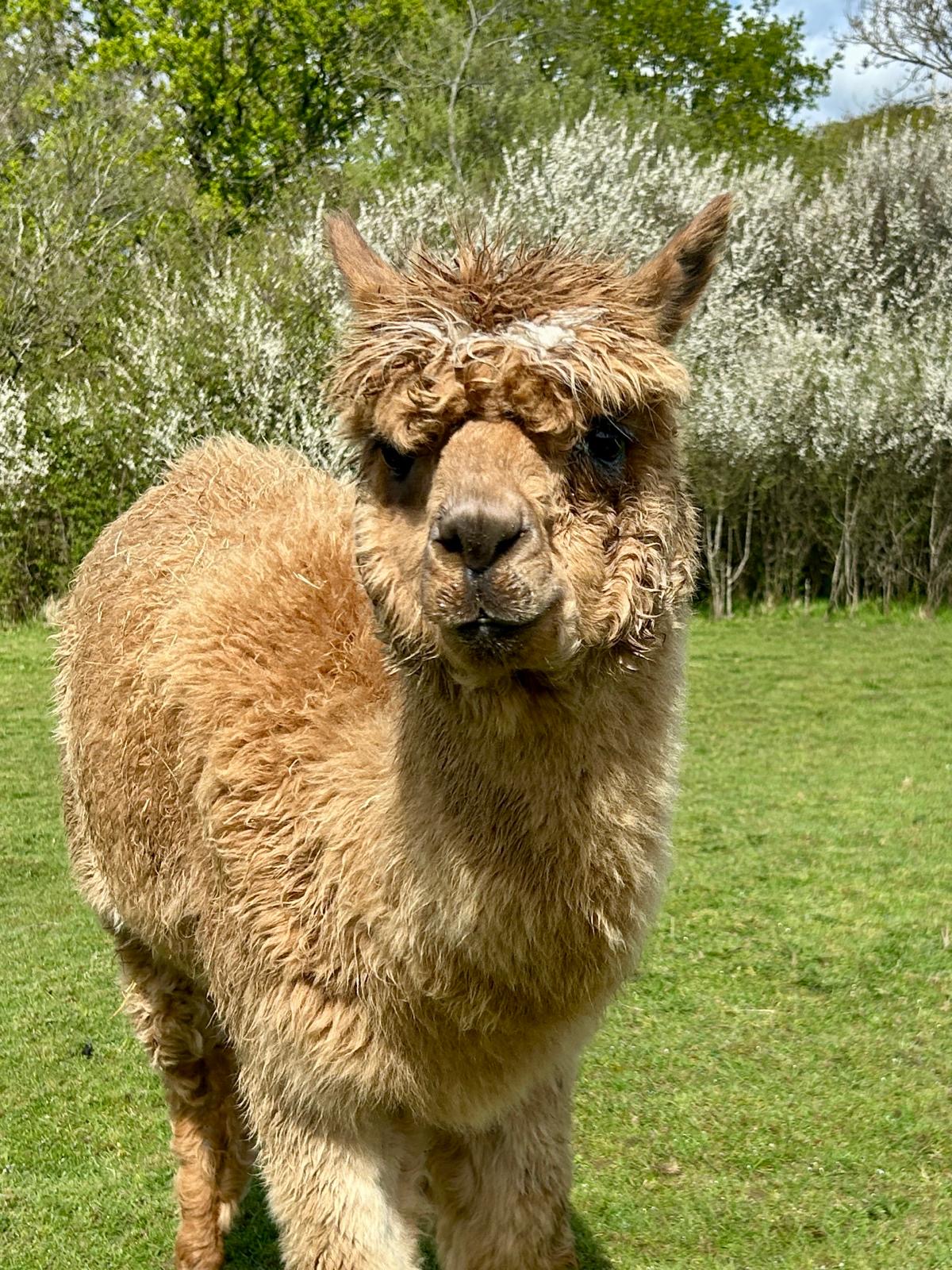
Dark Fawn
Deep cinnamon brown, like toasted bread or autumn leaves.
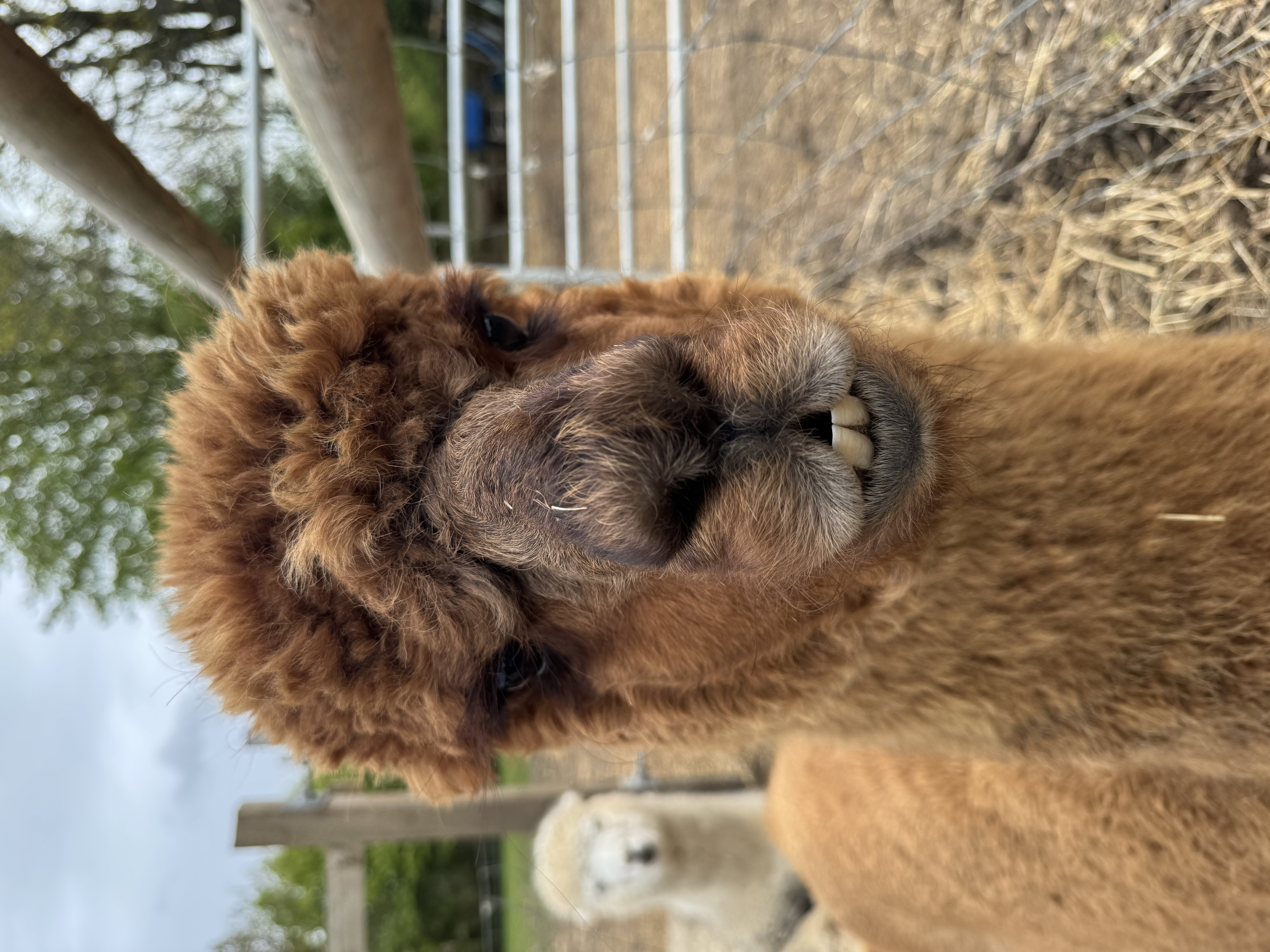
Light Brown
Milk chocolate with auburn highlights and copper undertones.
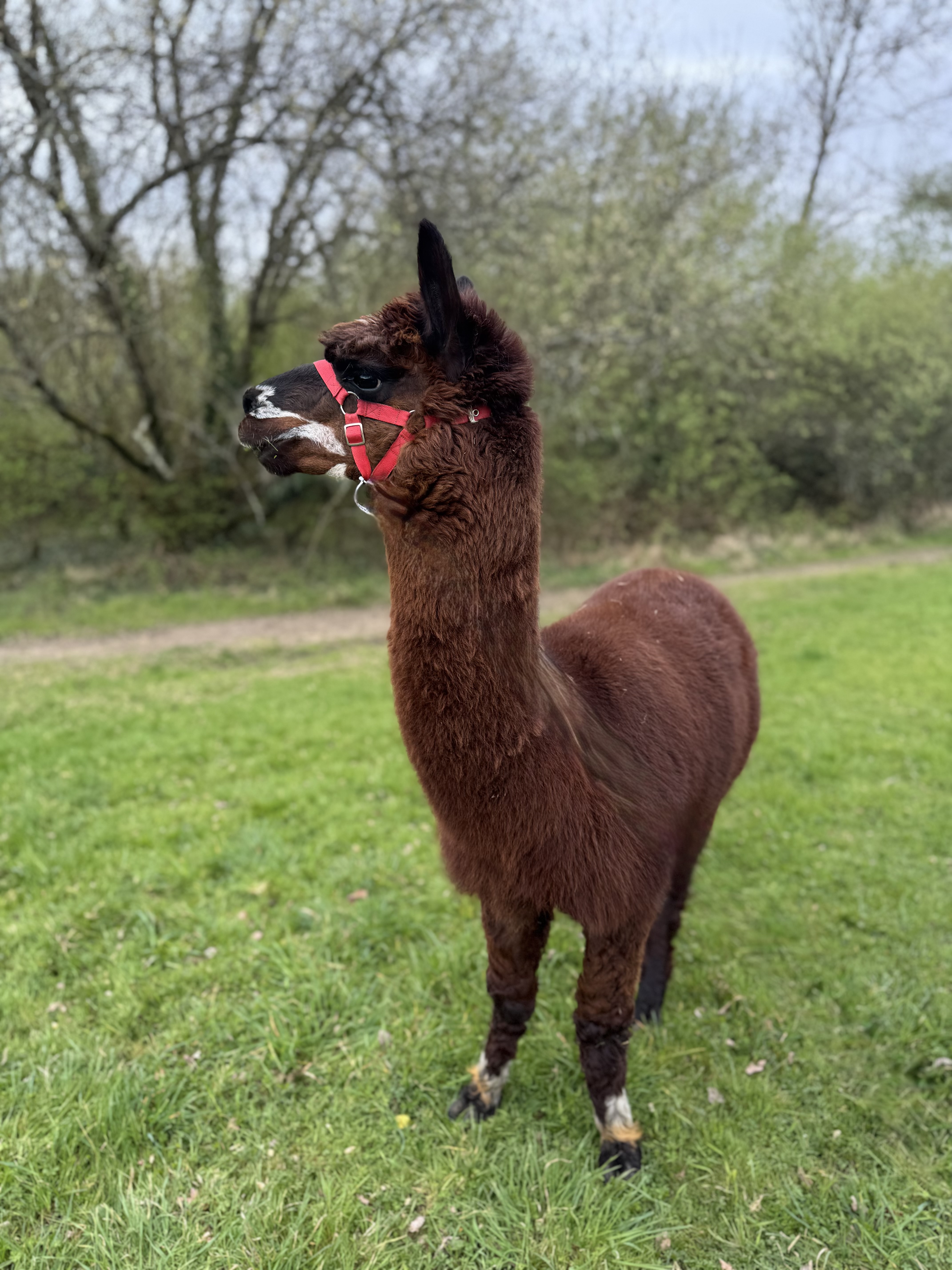
Medium Brown
Classic chocolate brown, rich and warm like cocoa.
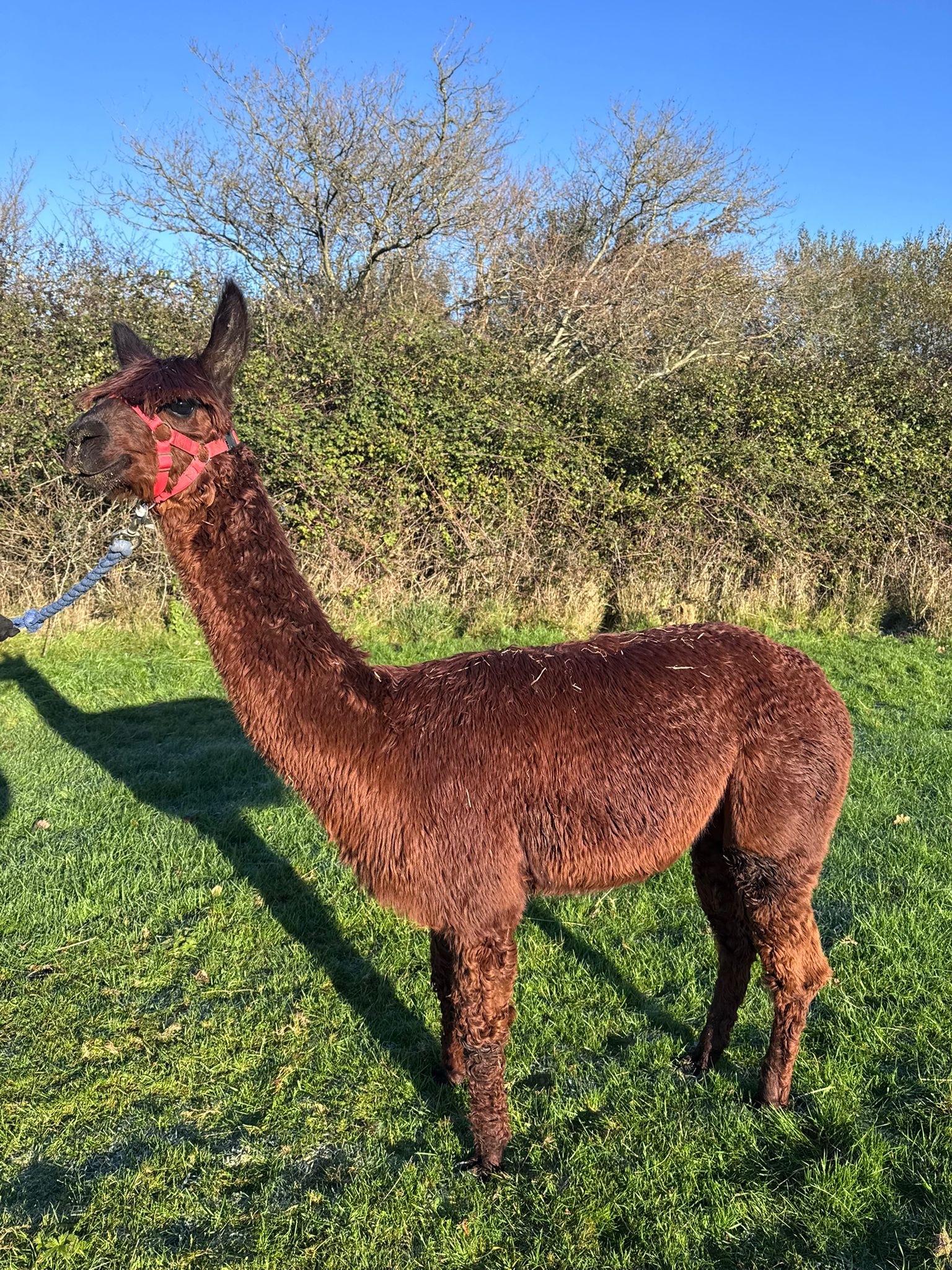
Dark Brown
Deep espresso with subtle black undertones.
Bay Black
Near-black with reddish-brown highlights in sunlight.
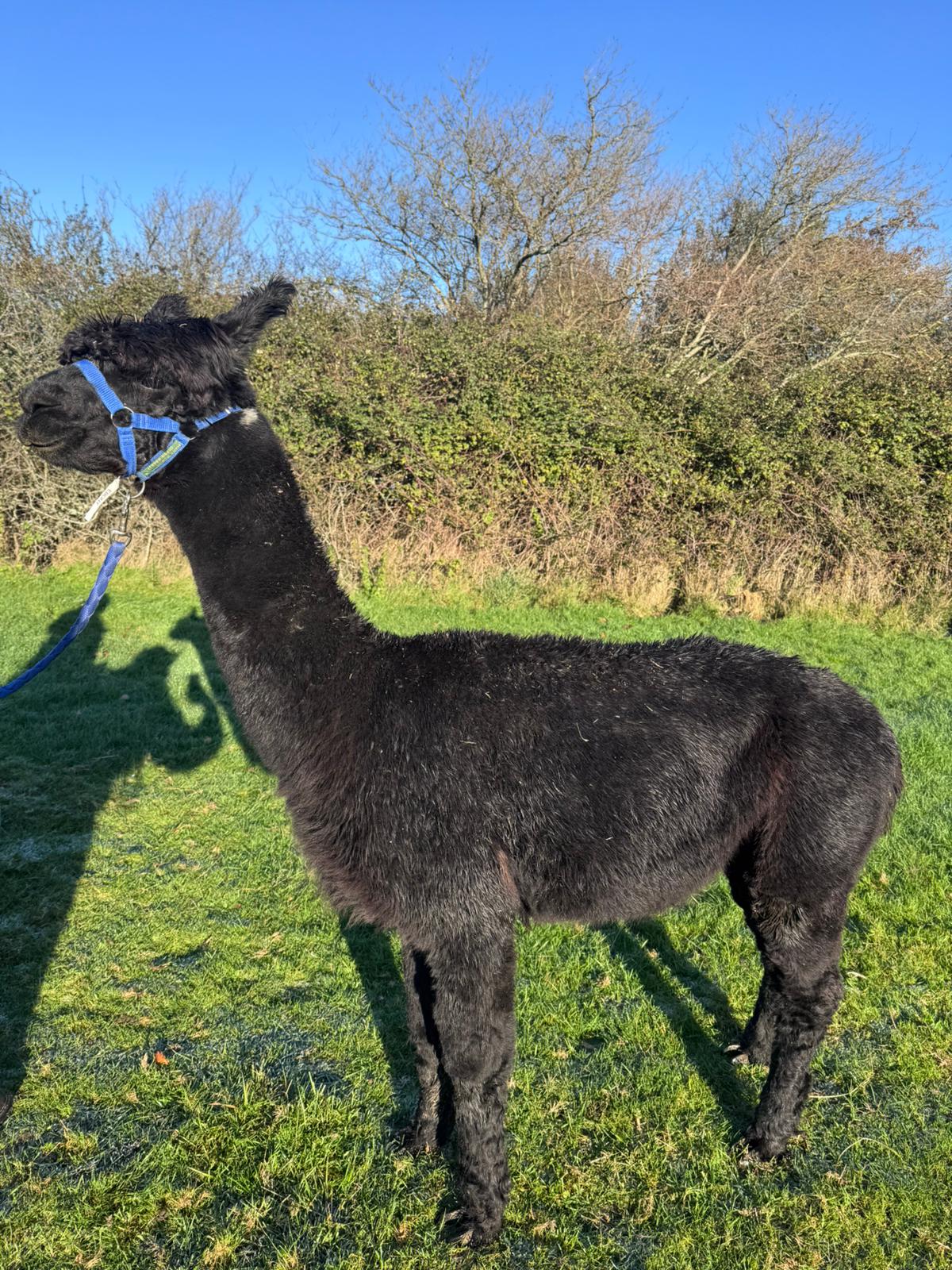
True Black
Pure jet black, the darkest natural fibre available.
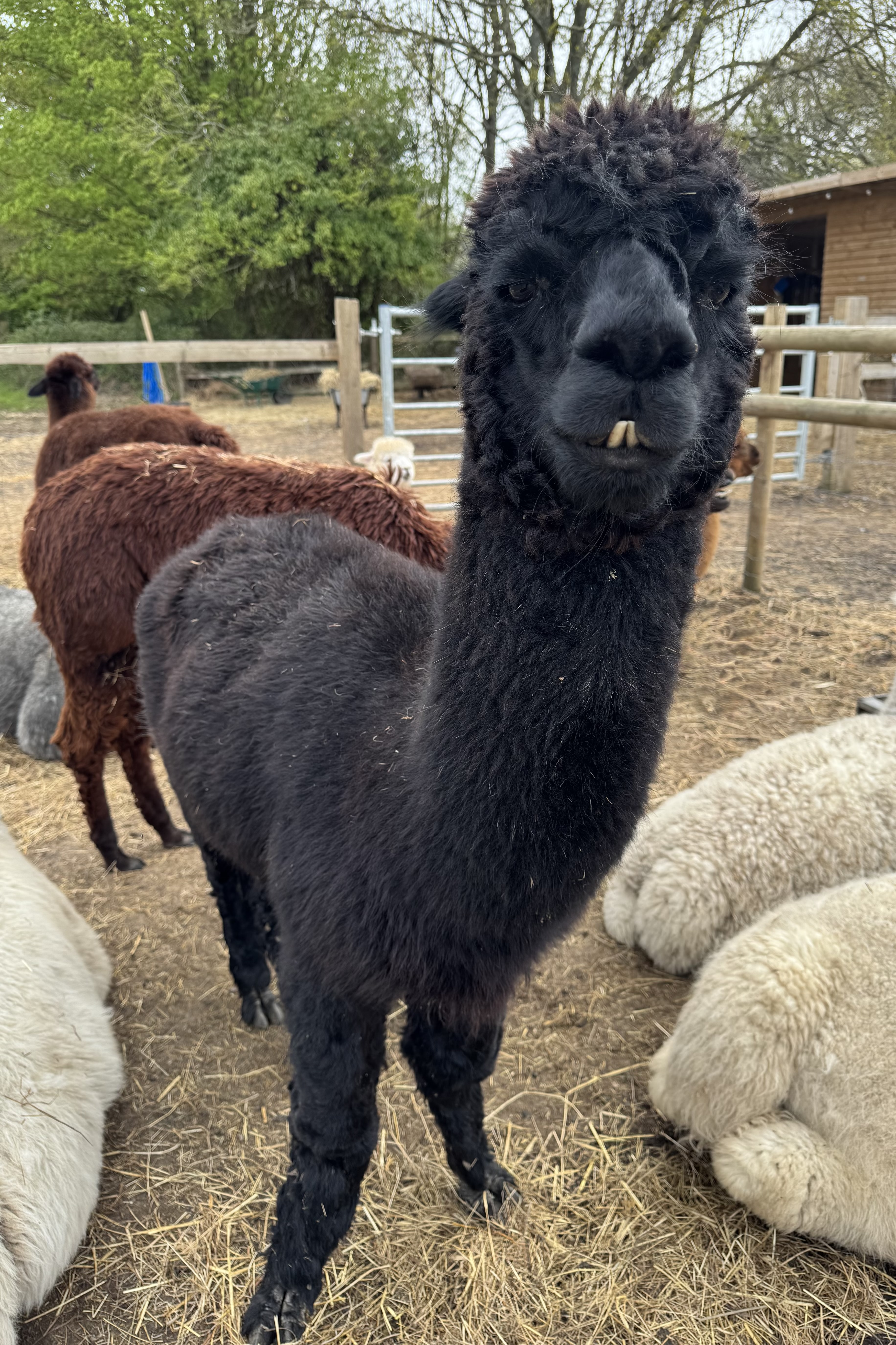
Solid Black
Even, deep black throughout the fleece, prized for its natural depth of colour.
Light Silver Grey
Soft pearl grey with white highlights, like morning mist.
Medium Silver Grey
Classic grey like storm clouds, balanced and sophisticated.
Dark Silver Grey
Charcoal grey approaching black, dramatic and elegant.
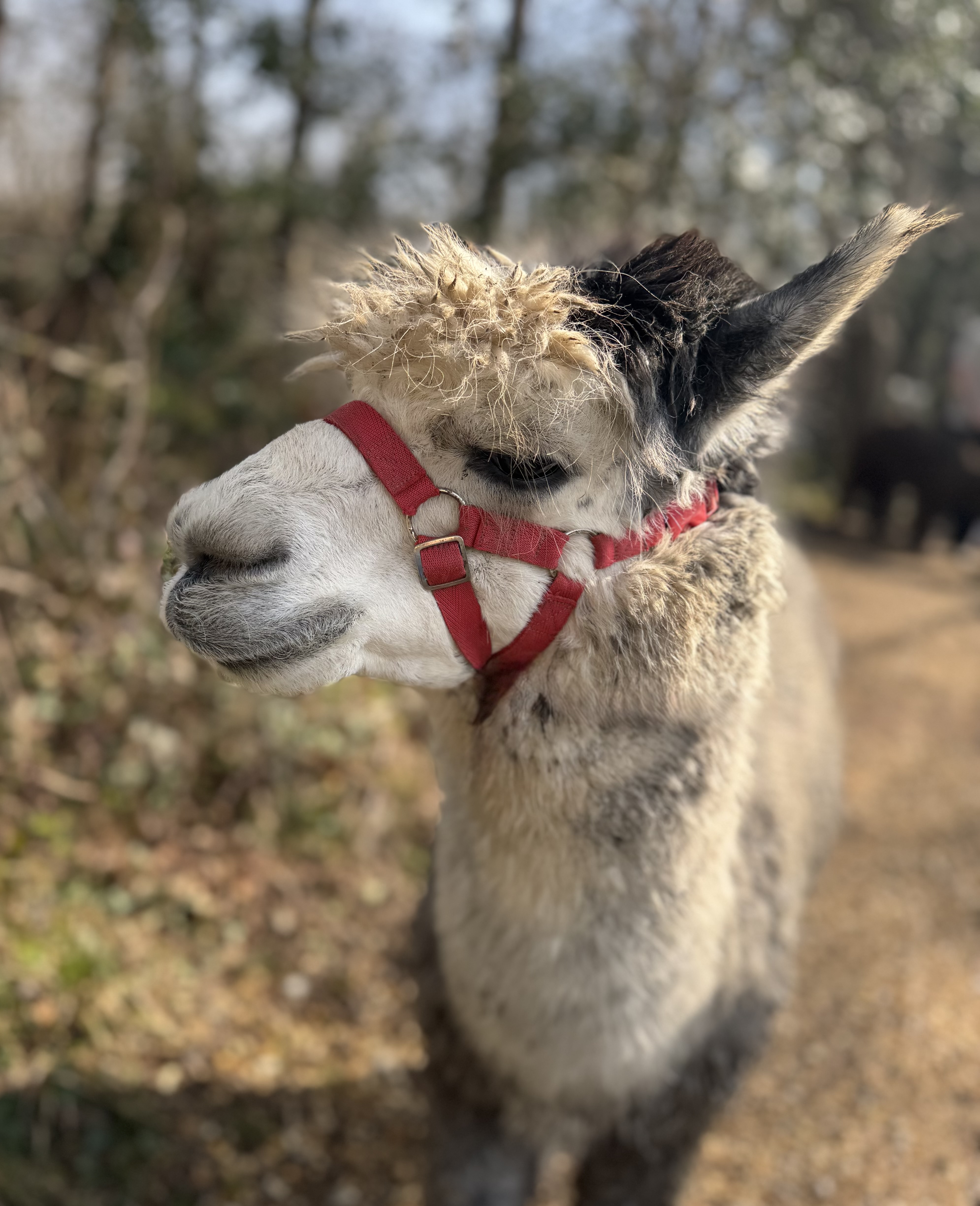
Grey (Tuxedo)
Grey fleece with white tuxedo-style markings on the chest and face.
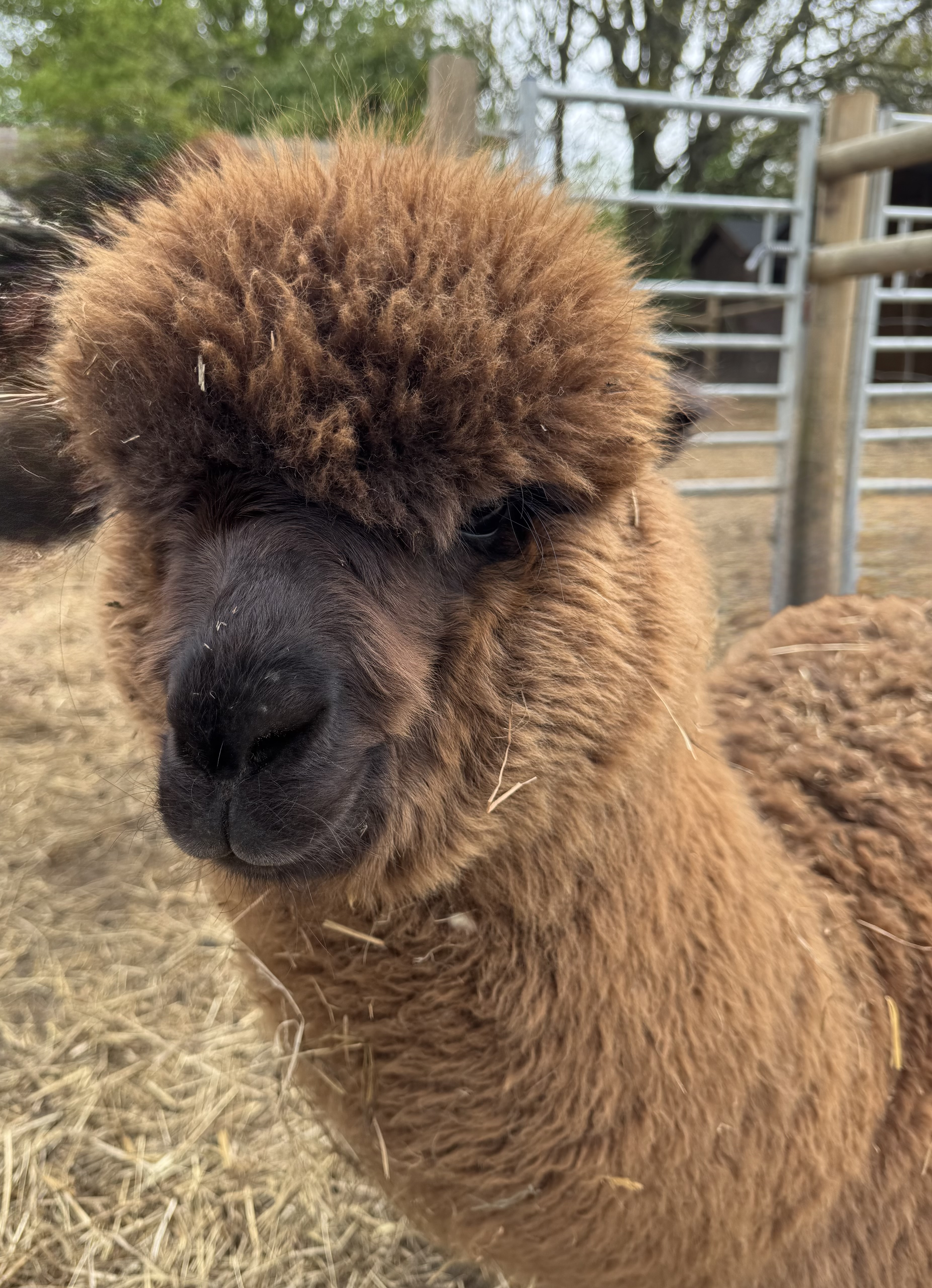
Dark Rose Grey
Deep rosy grey with pronounced brown and black fibres.
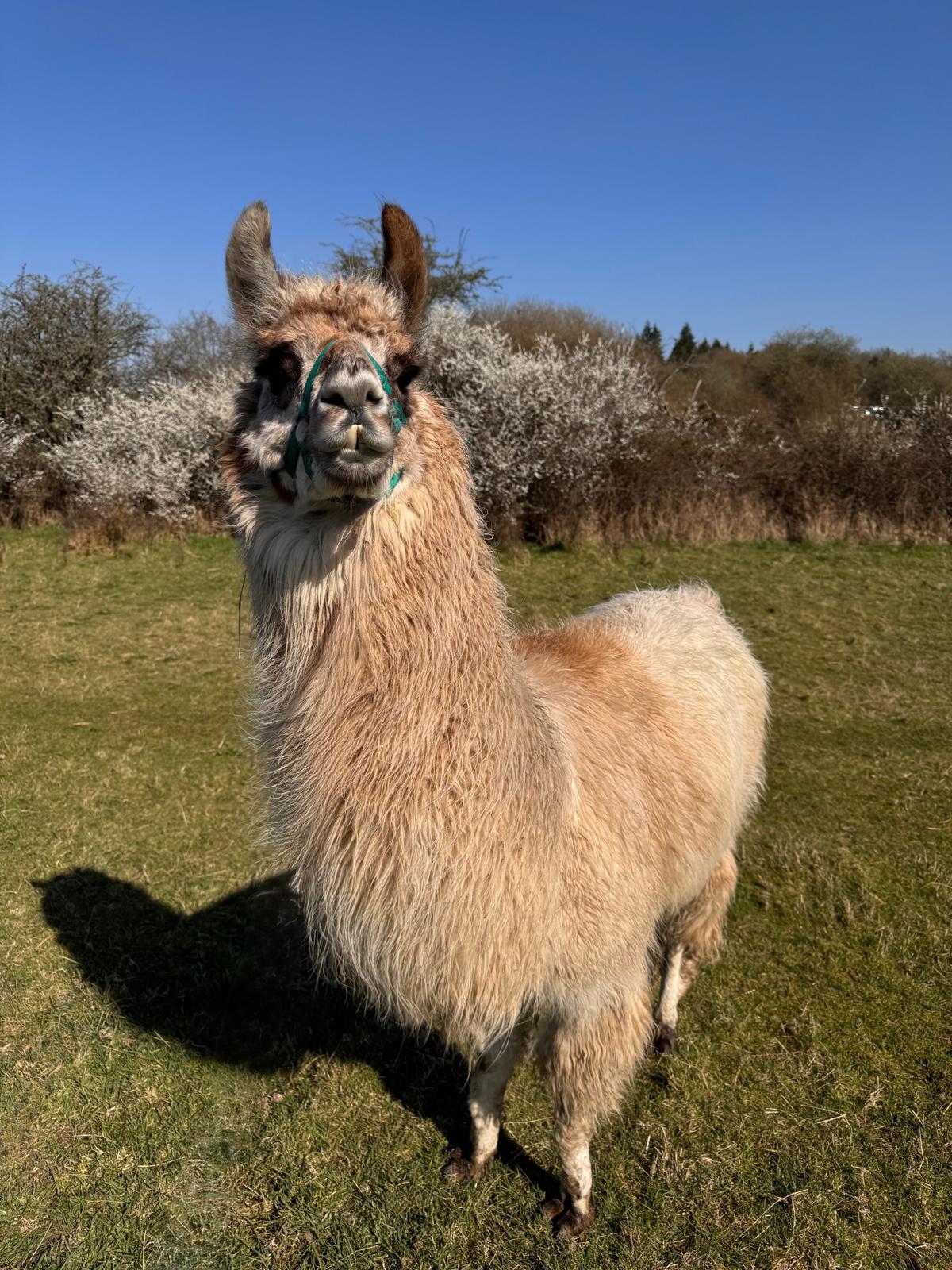
Multi / Patterned
Several distinct colours in one fleece, with white, fawn patches and brown spots.
Special Patterns & Classifications
Beyond solid colours, alpacas display fascinating patterns and markings:
Tuxedo
White chest and facial markings on a darker base, creating a formal "tuxedo" appearance.
Pinto
Large patches of white and another colour, similar to paint horses.
Appaloosa / Harlequin
Spotted patterns unique to alpacas, with spots that can appear or darken with age.
Modern Grey
Roan pattern with white hairs mixed throughout the base colour.
Multi / Fancy
Three or more distinct colours in the fleece, creating unique combinations.
Indefinite
Colours that don't fit standard categories, nature's surprises.
The Science of Alpaca Colour
| Genetic Factor | Effect on Colour | Result |
|---|---|---|
| Eumelanin | Black/brown pigment production | Creates blacks, browns and greys |
| Phaeomelanin | Red/yellow pigment production | Creates fawns and light colours |
| Extension Gene (E) | Controls pigment expression | ee = red/fawn colours only |
| Grey Gene (M) | Creates roaning effect | Mm = grey, mm = solid colour |
| Pattern Genes | Controls white markings | Creates tuxedo, pinto patterns |
Fibre Qualities by Colour
White & Light Colours
- Finest micron counts typically
- Most versatile for dyeing
- Highest commercial demand
- Excellent for blending
Fawns & Browns
- Natural warmth and beauty
- No dyeing needed
- Popular for natural products
- Often very uniform in colour
Greys & Blacks
- Sophisticated natural shades
- No fading over time
- Premium market appeal
- Excellent for luxury items
Colours at Hensting Alpacas
Our herd showcases nature's full palette, from pure whites to deepest blacks. We breed for both colour diversity and fibre quality, and each alpaca's colouring tells a genetic story spanning generations.
On a visit you'll see firsthand how different colours appear in various lights, how patterns develop with age, and why breeders treasure this natural rainbow.
Meet the Colourful Herd in Person
Book a walking experience to meet our alpacas, learn how to identify different colours and patterns, and see which fleece types spinners and weavers prize most.